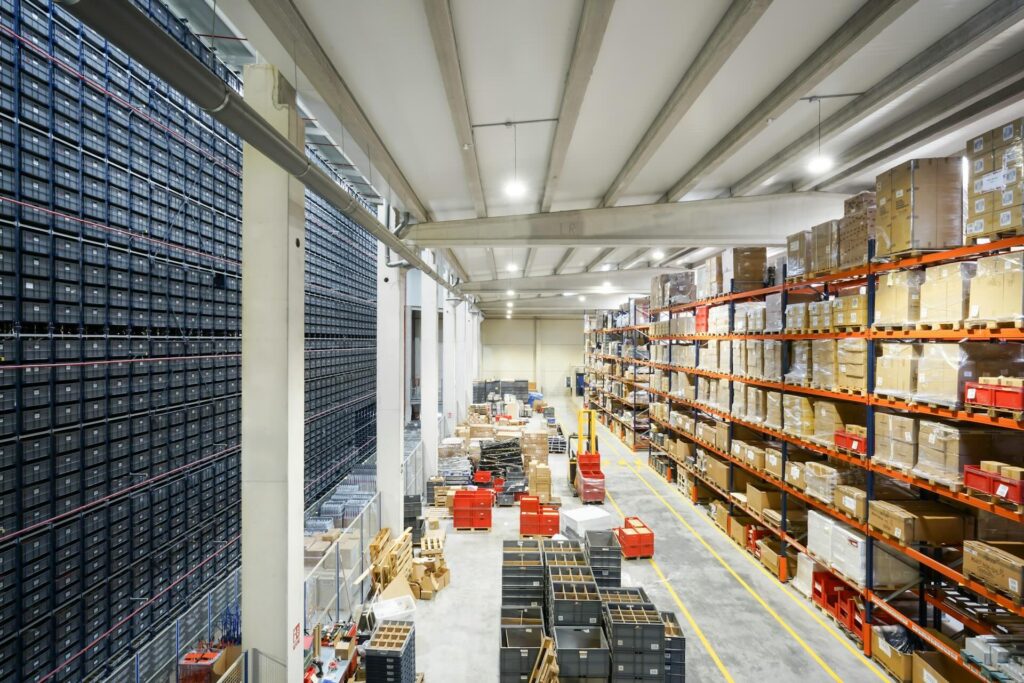
If a warehouse had a brain, it would be a Warehouse Management System (WMS). A WMS is software that tracks every item, directs all work, and ensures that everything from receiving to shipping runs smoothly. In today’s fast-moving logistics world, a capable WMS is essential for accuracy, efficiency, and adaptability.
Think of a busy warehouse during peak season. Thousands of items moving in and out, dozens of workers picking orders, trucks arriving and departing on tight schedules. Without a digital system coordinating all these moving parts, chaos would quickly ensue. Orders would be delayed, inventory would go missing, and costs would spiral out of control. This is why a WMS has become the digital backbone of modern warehouse operations.
Summary
- A Warehouse Management System (WMS) is the operational core of modern warehouses—tracking inventory, coordinating workflows, and ensuring accuracy from receiving to shipping.
- As e-commerce, labor shortages, and speed expectations rise, WMS adoption is accelerating; nearly 90% of warehouses are implementing or upgrading systems to stay competitive.
- Core WMS capabilities—inventory tracking, optimized picking, labor management, automation integration, and real-time visibility—dramatically improve accuracy, efficiency, and throughput.
What is a WMS and Why It Matters
A Warehouse Management System is software that manages inventory data and orchestrates warehouse processes in real time. You can think of it as the operating system for your warehouse. Without it, warehouses might rely on spreadsheets or paper, which increases the risk of errors, misplaced inventory, and delayed orders.
The contrast between manual operations and WMS-driven operations is stark. In a manual warehouse, workers might spend hours searching for products, inventory counts are often inaccurate, and there’s little visibility into what’s actually happening on the warehouse floor. Managers make decisions based on outdated information, and customer orders frequently contain errors or experience delays.
With a WMS, every movement is tracked digitally. When a pallet arrives, it’s scanned and logged. When a picker retrieves an item, the system knows instantly. When inventory levels drop below a threshold, alerts are triggered automatically. This level of visibility and control transforms warehouse operations from reactive firefighting to proactive management.
| Concept | Summary |
|---|---|
| WMS Definition | A warehouse management systems (WMS) is the warehouse’s operating system, managing inventory and processes in real time. |
| Issues Address with WMS | Paper/spreadsheet workflows cause errors, lost inventory, slow searches, and delayed orders. |
| Impact with WMS | Every movement is digitally tracked, inventory stays accurate, and alerts prevent issues before they escalate. |
WMS Growth and Trends
By 2025, nearly 90% of warehouses are expected to use or adopt a WMS, reflecting how critical these systems are for modern operations. Over 70% of companies are planning to upgrade or replace their WMS within the next year. Many legacy systems cannot keep up with the demands of automation, e-commerce, and complex supply chains.
The driving forces behind this widespread adoption are clear. E-commerce has exploded, creating customer expectations for same-day or next-day delivery. Supply chains have become more complex, with products flowing through multiple warehouses and distribution centers. Labor costs continue to rise, making efficiency more critical than ever. In this environment, running a warehouse without a WMS is like trying to navigate a modern city without GPS, technically possible, but unnecessarily difficult and error-prone.

WMS: Key Functions and Features
A robust WMS does more than track inventory. It orchestrates every step in the warehouse. Understanding these core capabilities helps explain why WMS has become indispensable.
Inventory Tracking
Provides real-time visibility of stock levels and locations, even down to individual bins. WMS ensures high inventory accuracy, often in the 95 to 99 percent range.
Modern inventory tracking goes far beyond simply knowing how many units you have. A sophisticated WMS tracks inventory at multiple levels: by SKU, by lot number, by serial number, by expiration date, and by specific location within the warehouse. This granular tracking enables advanced capabilities like FIFO (first-in, first-out) management for perishable goods, lot traceability for recalls, and cycle counting programs that maintain accuracy without shutting down operations for full physical inventories.
The system also tracks inventory status, not just where it is, but what state it’s in. Is it available for picking? Is it reserved for a specific order? Is it in quarantine pending quality inspection? Is it damaged and awaiting disposal? These status designations ensure that the right inventory is allocated to the right orders.
Order Management and Fulfillment
Optimizes workflows like wave or batch picking. The WMS directs pick-pack-ship operations to ensure orders are accurate and efficient.
Order fulfillment is where a WMS truly demonstrates its value. When orders flood in, especially during peak periods, the system intelligently organizes them into waves or batches. Wave picking might group all orders going to a specific geographic region to be picked together, then sorted later. Batch picking might have one worker pick items for multiple orders in a single trip through the warehouse, dramatically reducing travel time.
The WMS also manages order prioritization. Rush orders can be flagged for immediate processing. Orders can be held if a customer’s credit card fails. Partially fulfilled orders can be tracked separately from complete orders. The system ensures nothing falls through the cracks.
Receiving and Put-away
Manages inbound shipments and generates put-away tasks to optimize storage locations. High-movers can be placed near shipping docks for faster access.
When a truck arrives with new inventory, the receiving process begins. The WMS might have advance ship notices (ASNs) that tell it exactly what should be on the truck, enabling workers to verify receipts quickly. As items are scanned, the system performs quality checks. Is this the right product? Is the quantity correct? Are there any damages?
Once received, the WMS generates intelligent put-away instructions. The system considers multiple factors: product velocity (how fast it sells), product dimensions, weight, temperature requirements, and current warehouse congestion. Fast-moving items might be directed to easily accessible locations near packing stations. Slow-movers go to higher or farther locations. Hazardous materials are routed to designated areas. This algorithmic slotting optimization can significantly reduce picking time and improve overall warehouse efficiency.
Picking Optimization
Recommends the best picking methods based on order patterns. It can integrate with handheld scanners or pick-to-light systems for accuracy.
Picking represents the largest labor cost in most warehouses, so optimizing this process yields substantial returns. A WMS can implement various picking strategies depending on the situation. Zone picking assigns workers to specific areas, reducing congestion and travel time. Cluster picking has workers pick multiple orders simultaneously into different containers. Wave picking coordinates multiple workers picking different items for large batches of orders.
The system also optimizes the picking path itself. Rather than having workers zigzag randomly through the warehouse, the WMS calculates the most efficient route. Some systems even consider the weight and fragility of items, ensuring heavy items are picked first and fragile items last.
Modern WMS platforms integrate with hardware like voice picking systems (where workers receive verbal instructions through headsets, keeping their hands and eyes free), pick-to-light systems (where lights indicate which items to pick), and autonomous mobile robots that transport items to stationary pickers.
Labor and Task Management
Assigns tasks, balances workloads, and tracks productivity metrics such as picks per hour. Advanced WMS may schedule labor or gamify tasks to improve efficiency.
Labor management modules within a WMS transform how warehouses handle their workforce. The system continuously monitors all work that needs to be done (picking, packing, receiving, cycle counting, replenishment) and intelligently assigns tasks to workers based on their location, skill level, and current workload.
Performance tracking provides visibility into productivity metrics. Managers can see picks per hour, accuracy rates, and idle time for each worker. This data enables targeted coaching and helps identify bottlenecks. Some systems incorporate gamification, creating friendly competition among workers with leaderboards and achievement badges that boost engagement and productivity.
Advanced systems even forecast labor needs. By analyzing historical patterns and current order volumes, the WMS can predict how many workers will be needed for the next shift or next week, enabling better scheduling and reducing overtime costs.
Integration and Reporting
Connects with ERP, order management, and shipping systems. Dashboards provide insights on KPIs like inventory turns, order cycle times, and throughput.
A WMS doesn’t operate in isolation. It serves as the central hub connecting multiple systems in your technology ecosystem. It receives orders from your e-commerce platform or order management system. It sends inventory data to your ERP system for financial reporting. It communicates with shipping carriers to generate labels and tracking numbers. It might connect to your supplier’s systems for automated replenishment.
This integration eliminates data silos and manual data entry. When inventory is picked, the quantity updates automatically in your accounting system. When a shipment goes out, your customer receives an automated tracking email. Everything flows seamlessly.
The reporting capabilities of modern WMS platforms are equally important. Real-time dashboards give managers instant visibility into operations. How many orders were shipped today? What’s the current inventory accuracy? Where are the bottlenecks? Historical reports enable trend analysis and continuous improvement initiatives.
WMS in Action: A Complete Order Workflow
When a customer order comes in, the WMS checks inventory availability, directs a worker to pick the items via a mobile device, updates inventory in real time, and prints a shipping label. This shows how a WMS ties all warehouse operations together.
Let’s walk through a more detailed scenario to illustrate the complete workflow. An online customer places an order for three items at 2:00 PM. The order immediately flows into the WMS, which checks inventory availability. All three items are in stock. The system reserves those specific units so they can’t be allocated to another order.
At 2:15 PM, the WMS groups this order with 20 others heading to the same region into a pick wave. The system generates an optimized picking route and sends it to a worker’s handheld device. The worker follows the route, scanning each item to confirm accuracy. As items are scanned, the WMS deducts them from available inventory in real time.
At 2:45 PM, the picked items arrive at the packing station. The WMS directs the packer to use a specific box size based on the items’ dimensions, reducing shipping costs and damage. The system weighs the package and compares it to the expected weight, a quality check that catches errors. A shipping label is automatically generated with the best carrier rate, and the package moves to the shipping dock.
At 3:00 PM, the truck is loaded and departs. The customer receives an email with tracking information. The WMS has updated inventory, recorded labor time, logged shipping costs, and updated order status, all without manual intervention. This coordinated flow would be impossible without a WMS orchestrating every step.
Benefits of Implementing a WMS
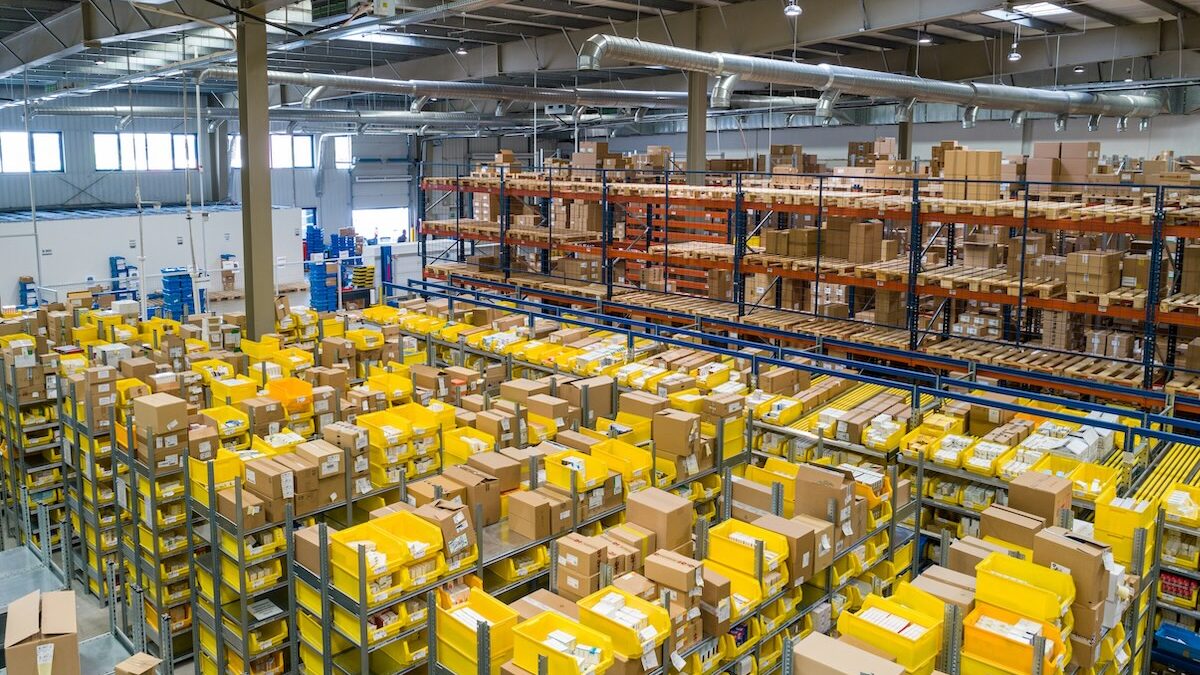
A WMS delivers measurable benefits for warehouses, transforming operations and improving the bottom line in multiple ways.
Improved Inventory Accuracy
Accuracy jumps from around 65 to 80 percent with manual systems to 95 to 99 percent, reducing stockouts and overstocking.
Inventory accuracy might seem like a simple metric, but its impact cascades throughout the entire business. When inventory records don’t match physical reality, multiple problems emerge. You might promise customers products you don’t actually have, leading to cancelled orders and disappointed customers. You might reorder products you already have in stock, tying up working capital unnecessarily. You might lose track of expensive inventory, leading to write-offs.
With a WMS enforcing scan verification at every step, inventory accuracy improves dramatically. Every receipt, every pick, every movement is tracked. Cycle counting programs continuously verify accuracy without disrupting operations. When discrepancies are found, they’re corrected immediately rather than accumulating over time.
This accuracy enables better decision-making. Buyers can trust the inventory data when placing orders. Customer service can confidently promise availability. Finance can rely on inventory valuations for reporting. The entire organization benefits from having a single source of truth.
Higher Efficiency and Throughput
Optimized workflows and automated tasks allow more orders to be processed per day without increasing labor.
Efficiency improvements from a WMS come from multiple sources. Optimized pick paths reduce walking time. Intelligent slotting reduces search time. Wave picking reduces congestion. Task interleaving keeps workers busy instead of idle. All these small improvements compound into significant gains.
Many warehouses report throughput increases of 20 to 30 percent after implementing a WMS, often with the same number of workers. This means they can handle growth without proportionally increasing headcount, directly improving profitability.
The system also handles peak periods more gracefully. During the holiday rush or promotional events, a WMS can dynamically adjust workflows, prioritize urgent orders, and maximize utilization of every resource. What might have been chaotic becomes manageable.
Reduced Labor Costs
Better task allocation and elimination of redundant work allow warehouses to handle higher volumes with the same or fewer employees.
Labor typically represents 50 to 70 percent of warehouse operating costs, so even small improvements in labor productivity yield substantial savings. A WMS reduces labor costs not by forcing workers to move faster, but by eliminating wasted effort.
Workers spend less time searching for products because the system tells them exactly where to go. They spend less time on paperwork because everything is digital. They spend less time fixing errors because the system prevents errors in the first place. They spend less time on inefficient workflows because the system optimizes every task.
The system also reduces the need for supervision. When workers have clear digital instructions and real-time feedback, they need less hand-holding from managers. This allows supervisors to focus on improvement initiatives rather than putting out fires.
Visibility and Data-Driven Decisions
Real-time data helps managers make smarter decisions, like identifying slow-moving inventory or bottlenecks in packing.
Perhaps the most transformative benefit of a WMS is the visibility it provides. Before implementing a WMS, managers often operate blind, making decisions based on intuition or outdated information. With a WMS, they have real-time dashboards showing exactly what’s happening.
This visibility enables proactive management. If the packing station is becoming a bottleneck, you can see it immediately and shift resources. If a particular product is moving faster than expected, you can trigger replenishment before running out. If a worker is consistently underperforming, you can provide coaching before it impacts operations.
The historical data captured by a WMS is equally valuable. You can analyze trends over weeks, months, or years. Which products have the highest return rates? What times of day are busiest? How do different pick strategies compare? This data drives continuous improvement initiatives that compound over time.
Proven ROI
Top-tier supply chain companies using advanced digital tools report 20% lower operating costs and 11% higher EBIT. In 2025, 82% of supply chain organizations increased IT spending, including WMS investments.
The business case for WMS implementation is compelling. While the upfront investment can be significant (ranging from tens of thousands to millions of dollars depending on warehouse size and system complexity), the payback period is typically one to three years.
The ROI comes from multiple sources: reduced labor costs, improved inventory accuracy, decreased errors and returns, better space utilization, and increased throughput. Many companies also experience intangible benefits like improved customer satisfaction, better employee morale, and enhanced ability to scale operations.
The widespread increase in IT spending reflects the recognition that warehouse technology is not an optional expense but a strategic investment. Companies that fail to invest risk falling behind competitors who are leveraging technology to operate more efficiently.

WMS Options: On-Premise vs Cloud and Trends
Warehouse Management Systems can be deployed in different ways, each with distinct advantages and considerations. The choice between on-premise and cloud infrastructure is a critical decision that affects not just your WMS, but your entire IT strategy. For a deeper dive into this decision-making process, see our guide on On-Prem vs Cloud: How to Choose the Right IT Solution for Your Business.
Deployment Models
On-Premise WMS
Installed on company servers, giving control and customization, but requires in-house IT support.
On-premise systems have been the traditional deployment model for decades. The software is installed on servers that you own and manage, typically located in your data center or at the warehouse itself. This gives you complete control over the system, data, and customizations.
The advantages include data security (your data never leaves your infrastructure), customization flexibility (you can modify the system extensively), and independence from internet connectivity (the system works even if your internet connection fails). For companies with strict data security requirements or unique processes that require deep customization, on-premise remains attractive.
However, on-premise systems require significant upfront capital expenditure for servers and infrastructure. You need in-house IT staff to manage, update, and troubleshoot the system. Upgrades can be disruptive and expensive. Scaling requires hardware investments. These factors make on-premise systems less attractive for many modern businesses.
Cloud-Based WMS
Hosted remotely, offering flexibility, easier updates, lower upfront cost, and remote access. Cloud adoption is growing fast, with 60% more warehouses adopting cloud solutions.
Cloud-based WMS (also called SaaS or Software-as-a-Service WMS) represents the future of warehouse management software. The vendor hosts the application on their servers, and you access it via web browser or mobile app. You pay a subscription fee rather than buying licenses upfront.
The advantages are compelling. Implementation is faster because there’s no hardware to install. Updates happen automatically without disrupting operations. You can access the system from anywhere with internet connectivity, enabling remote management. Costs are predictable monthly expenses rather than large capital expenditures. Scaling up or down is easy, just adjust your subscription.
Cloud systems also benefit from the vendor’s continuous innovation. New features and capabilities are rolled out regularly to all customers. The vendor handles security, backups, and disaster recovery. For small to mid-sized warehouses without large IT departments, cloud WMS removes significant technical burden.
The 60 percent increase in cloud adoption reflects these advantages. Even large enterprises that historically preferred on-premise systems are increasingly moving to cloud platforms, recognizing that the benefits outweigh concerns about data control.
Other Trends
Modular and Scalable Systems
Companies can start with basic features and add modules such as slotting optimization or labor management.
Modern WMS platforms embrace modularity, allowing companies to implement what they need now and add capabilities later. A small warehouse might start with just inventory tracking and basic picking, then add labor management when they grow, then add slotting optimization when they open a larger facility.
This approach reduces initial investment and complexity. Teams can learn the core system before adding advanced features. It also means you’re not paying for functionality you don’t use. As your operations mature and your needs evolve, the system grows with you.
Integration with Automation and AI
Modern WMS integrates with conveyors, robots, IoT devices, and predictive analytics. 65% of warehouses use AI to forecast demand and optimize inventory.
The warehouse of the future is increasingly automated, and WMS serves as the brain coordinating all these automated systems. Modern platforms integrate seamlessly with automated storage and retrieval systems (AS/RS), conveyor systems, automated sortation systems, autonomous mobile robots (AMRs), and robotic picking systems.
IoT sensors throughout the warehouse feed data into the WMS. Temperature sensors monitor cold storage areas. Weight sensors verify that pallets contain the expected amount of product. Motion sensors track equipment utilization. This sensor data enables predictive maintenance and real-time optimization.
Artificial intelligence and machine learning are transforming WMS capabilities. AI-powered demand forecasting predicts future inventory needs with greater accuracy. Machine learning algorithms continuously optimize slotting based on changing patterns. Predictive analytics identify potential issues before they become problems. The 65 percent adoption rate for predictive analytics shows how quickly these capabilities are becoming standard rather than cutting-edge.
User Experience Improvements
Many new systems have mobile apps, intuitive dashboards, and even voice-controlled picking.
Older WMS platforms often had clunky, difficult-to-learn interfaces that required extensive training. Modern systems prioritize user experience, recognizing that easier-to-use systems drive adoption, reduce errors, and improve productivity.
Mobile apps let workers access the system from anywhere in the warehouse, with interfaces optimized for smartphone or tablet screens. Intuitive dashboards use visualization to communicate information at a glance. Voice-controlled picking lets workers keep their hands and eyes free while receiving instructions and confirming tasks verbally.
These UX improvements reduce training time for new workers and reduce errors from misunderstanding instructions. They also improve worker satisfaction because people prefer using modern, well-designed software over legacy systems.
Choosing the Right WMS
Companies should evaluate WMS based on warehouse size, complexity, and growth. Small 3PLs may benefit from flexible cloud solutions, while large enterprises might integrate WMS into ERP platforms.
Selecting the right WMS is a critical decision that requires careful evaluation. Key factors to consider include:
Size and Scale
A small warehouse with 5,000 SKUs has different needs than a massive distribution center with 100,000 SKUs. Make sure the system can handle your current volume and scale to your projected growth.
Complexity
Do you have simple operations (receive, store, pick, ship) or complex workflows (kitting, assembly, lot tracking, serial number tracking, cross-docking)? More complex operations require more sophisticated systems.
Industry Requirements
Some industries have specific needs. Food and beverage requires FIFO and expiration date tracking. Pharmaceuticals need rigorous lot traceability. Apparel benefits from advanced allocation capabilities.
Integration Requirements
What other systems do you need to connect to? How complex are those integrations? Some WMS platforms have pre-built integrations with popular ERPs and e-commerce platforms, while others require custom integration work.
Budget
Consider not just software costs but implementation costs, training costs, and ongoing support costs. Cloud systems spread costs over time, while on-premise systems require larger upfront investments.
Vendor Stability
You’re entering a long-term relationship with your WMS vendor. Evaluate their financial stability, customer support reputation, and product roadmap. A vendor going out of business or neglecting their product creates major problems.
Customization Needs
How well does the system match your processes out of the box? Extensive customization drives up costs and creates upgrade challenges. Look for systems that offer flexibility through configuration rather than custom code.
The trend is clearly toward cloud-based, modular systems with AI capabilities. However, the “best” system is the one that fits your specific needs, budget, and capabilities. Many companies benefit from working with an experienced implementation partner or consultant to evaluate options and make the right choice.
Challenges in WMS Implementation
Implementing or upgrading a WMS comes with challenges that companies must plan for and manage carefully.
Data Migration
Transferring inventory and order data from old systems can be complex.
Data migration is often underestimated as a challenge. Moving from spreadsheets, legacy systems, or manual processes to a new WMS requires cleaning, standardizing, and mapping data. SKU numbers might be inconsistent. Item descriptions might be incomplete. Location codes might not match the new system’s structure.
Poor data quality in the old system becomes immediately apparent when migrating to a new WMS. Many companies discover duplicate SKUs, incorrect inventory counts, or missing critical information. This necessitates a data cleansing project before or during implementation.
The cutover moment (when you switch from the old system to the new system) is particularly risky. If inventory data doesn’t transfer correctly, you could have major discrepancies that disrupt operations. Many companies do a physical inventory count immediately before cutover to ensure accuracy. Some run parallel systems briefly to verify the new system before fully committing.
Process Alignment
WMS often standardizes workflows. Companies may need to adjust processes or pay for customizations.
A common implementation challenge is the gap between how you currently operate and how the WMS expects you to operate. The system enforces standard processes, which might differ from your informal workflows that have evolved over years.
For example, your workers might be accustomed to picking based on memory of where things are located. The WMS requires scanning to verify locations. Your receiving process might involve stacking pallets anywhere with available space. The WMS requires directed put-away to designated locations. These changes can face resistance.
You have two options: adapt your processes to match the system, or customize the system to match your processes.
Process adaptation is generally preferable because standard processes are usually there for good reasons, and excessive customization increases costs and makes future upgrades difficult. However, some customization is often necessary for unique business requirements.
Employee Training
Staff must learn new systems and devices. Training and change management are essential.
Technology is only as effective as the people using it. If workers don’t understand the system or don’t buy into the changes, implementation will fail. Comprehensive training is essential, and training must be ongoing as people forget, new employees join, and system features are added.
Training should be hands-on and role-specific. Warehouse workers need to learn scanning and mobile device basics. Supervisors need to learn how to monitor operations and troubleshoot issues. Managers need to learn reporting and analytics. Giving everyone the same generic training wastes time and leaves gaps.
Change management goes beyond training to address the psychological aspects of implementing new technology. People fear change, worry about job security, and resent disruptions to familiar routines. Successful implementations involve workers in the process, clearly communicate benefits, address concerns openly, and celebrate early wins.
Cost and ROI
Initial costs can be significant. Careful planning and selecting the right partner are critical.
The total cost of WMS implementation includes software licenses or subscriptions, hardware (servers, handheld devices, printers, labels, potentially automation equipment), implementation services (configuration, integration, testing), training, and ongoing support. For a small warehouse, total costs might be $50,000 to $150,000. For large, complex operations, costs can reach into the millions.
These costs must be weighed against the expected benefits. Most companies achieve positive ROI within one to three years through reduced labor costs, improved inventory accuracy, and increased throughput. However, realizing these benefits requires successful implementation and adoption.
Choosing an experienced implementation partner significantly improves your odds of success. They bring best practices, lessons learned from previous implementations, and expertise to help you avoid common pitfalls. While hiring experts increases upfront costs, it usually reduces total cost and time to value.
The Risk of Rushing Implementation
Company X rushed a WMS go-live before peak season and experienced inventory discrepancies. This illustrates the importance of testing, training, and phased rollouts.
This scenario plays out too often. A company decides they need a WMS, rushes through implementation to meet a deadline, and goes live with inadequate testing or training. The results are predictable: confused workers, inventory errors, missed shipments, and sometimes a decision to revert to the old system.
A better approach involves thorough testing in a non-production environment, comprehensive training for all users, adequate data verification, and ideally a phased rollout. Maybe you implement in one section of the warehouse first, work out the kinks, then expand to other areas. Or you go live during a slow season when mistakes are less costly.
Implementation timelines vary widely based on complexity, but expecting three to six months minimum for a straightforward implementation and 12 to 18 months for complex environments is realistic. Trying to compress this timeline dramatically increases risk.
Arvist and the Next-Generation WMS Integration
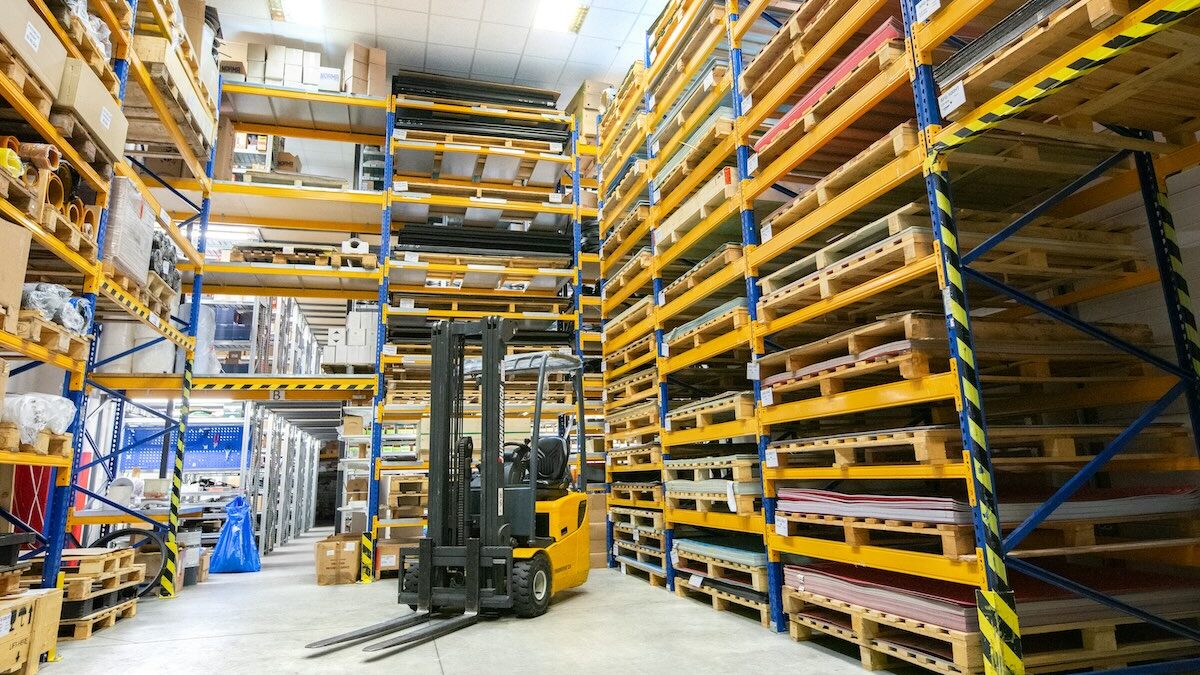
Arvist’s AI solution complements a WMS by adding real-time visual quality control. It does not replace the WMS. For example, Arvist can automatically update the WMS when a pallet is damaged or an outbound shipment is verified for accuracy, providing an extra layer of real-time validation beyond standard WMS capabilities.
Traditional WMS platforms excel at tracking and directing work, but they rely on humans to accurately execute that work and report results. A worker is supposed to pick the right item and scan it, but what if they scan the correct barcode while picking the wrong item? A pallet is supposed to be undamaged, but what if minor damage goes unnoticed until it reaches the customer?
Arvist addresses these gaps by adding computer vision and AI to visually verify warehouse operations. Cameras positioned throughout the warehouse capture images of products, pallets, packages, and shipments. Arvist’s AI analyzes these images in real time, detecting issues that might otherwise go unnoticed.
Integration Point
Arvist integrates seamlessly with existing WMS and ERP platforms. The WMS directs operations, while Arvist confirms what actually happens on the warehouse floor. Alerts like “Box damage detected on Order #1234” can trigger WMS workflows, ensuring higher accuracy and efficiency.
The integration works bidirectionally. The WMS tells Arvist what’s supposed to happen (Order #1234 should contain two units of SKU ABC123). Arvist’s cameras capture images of the package being packed, verifies the correct items are included, and confirms there’s no visible damage. This verification flows back to the WMS, which marks the order as visually inspected and approved.
If Arvist detects a problem (wrong item picked, damaged product, incorrect quantity), it immediately alerts the WMS. The system can then trigger corrective workflows: hold the order, notify a supervisor, route the package to quality control, or flag the worker for additional training.
This creates a closed-loop quality system. The WMS plans and directs, Arvist verifies, and problems are caught and corrected in real time rather than discovered by customers.
Enhanced Accuracy Through AI Verification
The value proposition is clear: reduce errors that reach customers, catch quality issues before they leave the warehouse, and provide objective verification of operations. This is especially valuable for operations shipping high-value items, operating in highly regulated industries, or dealing with strict customer quality requirements.
Arvist’s AI learns and improves over time. It learns what “normal” looks like for your specific products and operations, enabling it to detect subtle anomalies that might escape human inspection. It can identify trends. Maybe a particular product frequently arrives damaged, indicating a supplier problem, or maybe errors concentrate at certain times of day, suggesting fatigue issues.
The system also provides documentation. When a customer claims they received the wrong item, you have timestamped images proving what was actually shipped. This protects you from fraudulent claims and helps resolve disputes quickly.
The combination of WMS and Arvist creates a smart warehouse ecosystem where technology handles routine verification and catches errors, freeing humans to focus on judgment, problem-solving, and continuous improvement.
The Future of Intelligent Warehouse Systems
As WMS evolve to include more AI, solutions like Arvist indicate what that future looks like: intelligent systems that not only direct work, but also verify and optimize it in real time.
The trajectory is clear. Warehouse management is evolving from simple inventory tracking to comprehensive AI-powered optimization and verification. Early WMS implementations in the 1990s focused on basic tracking. Modern systems optimize workflows and provide analytics. The next generation adds real-time visual verification, predictive analytics, and autonomous decision-making.
Imagine a future warehouse where AI continuously monitors every operation, automatically identifies inefficiencies, predicts problems before they occur, and optimizes workflows in real time without human intervention. Where cameras and sensors feed a constant stream of data to AI systems that learn and improve continuously. Where exceptions are caught instantly and corrected automatically.
This isn’t science fiction. It’s the near-term future being built by companies like Arvist. As WMS platforms incorporate more AI capabilities and integrate with intelligent verification systems, warehouses will achieve levels of accuracy, efficiency, and reliability that were previously impossible.
Building a Foundation for Warehouse Excellence
A Warehouse Management System is the foundation of modern warehouse operations. A good WMS improves accuracy, efficiency, and adaptability, which are crucial in today’s logistics environment. While implementation requires planning, training, and investment, the benefits far outweigh the challenges.
The transformation from manual operations to WMS-driven operations is one of the most impactful changes a warehouse can make. The improvements in inventory accuracy, labor productivity, customer satisfaction, and operational visibility create competitive advantages that compound over time.
As we’ve explored, the WMS market continues to evolve rapidly. Cloud adoption is accelerating, AI capabilities are being embedded into core functionality, and integration with automation and IoT is becoming standard. Companies that invest in modern WMS platforms position themselves to adapt to future challenges and opportunities.
Pairing a WMS with emerging technology such as Arvist’s AI can unlock even greater performance, helping warehouses meet rising demands and future-proof their operations. The combination of traditional WMS capabilities (tracking, directing, and optimizing) with AI-powered verification and analytics creates a smart warehouse ecosystem where technology handles routine tasks and catches errors, freeing humans to focus on judgment, problem-solving, and continuous improvement.
For companies considering WMS implementation or upgrade, the message is clear: the investment is worth it, but success requires careful planning, realistic timelines, comprehensive training, and commitment to change management. Choose a system that fits your needs today and can scale to your needs tomorrow. Work with experienced partners. Involve your team in the process. And recognize that implementing a WMS isn’t just a technology project. It’s a transformation of how your warehouse operates.
The warehouses that will thrive in the coming years are those that embrace technology, continuously improve their operations, and stay ahead of evolving customer expectations. A capable WMS, especially one enhanced with AI solutions like Arvist, provides the foundation for that success.